
Planning for Your Worm Farm
If you’ve read some of our previous articles like “A Snapshot of Worm Biology” or “Raising Worms: A Brief Overview”, you already understand the basics of worm anatomy, digestion, reproduction, and their critical role in soil health. Now you’re ready to take the next step—starting your own worm colony.
But before diving in, it’s important to ask a few key questions:
What is your primary goal for raising worms?
Which worm species best fits that goal?
How many worms should you start with?
What type of worm habitat should you set up?
Where should your worm bin be located?
What should go into the habitat?
What do worms eat?
This guide will walk you through everything you need to know to successfully begin your worm farming journey.
Step 1: Define Your Goal for Raising Worms
Joining the growing community of worm farmers starts with one essential step—identifying your goal. Your reason for raising worms will determine the right species, habitat size, setup location, and feeding practices.
Common Goals for Raising Worms:
Recycling kitchen and paper waste through vermicomposting
Producing nutrient-rich worm castings as organic fertilizer
Raising live fishing bait
Providing fresh, high-protein pet food for reptiles, birds, and fish
Understanding your objective will help you choose the right type of composting worm and create an ideal habitat for them to thrive.
Goal: Recycling Kitchen & Paper Waste
Best Worm: Red Wigglers
Pros:
✅ Voracious appetite
✅ Thrives in high-density habitats
✅ Adapts well to a range of conditions
Cons:
❌ Small size can make harvesting slower
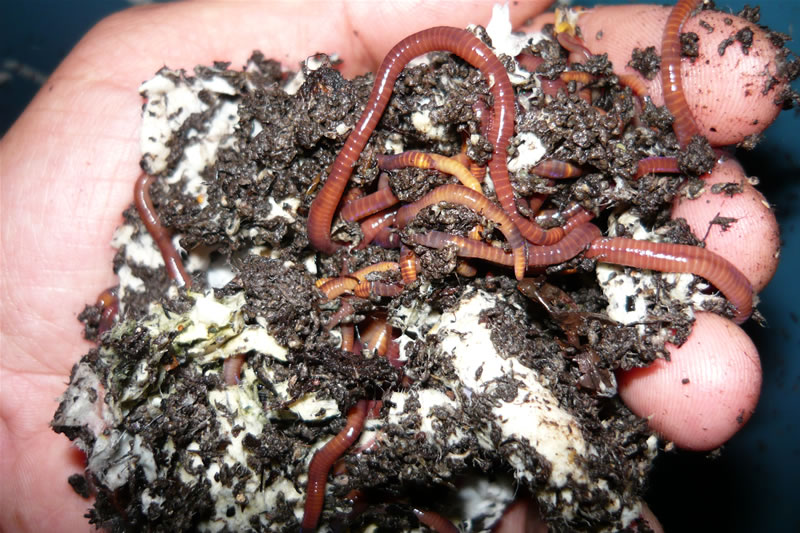
 Red Wigglers are the most popular choice for composting food scraps and paper waste. These worms are hardy, efficient, and easy to manage—ideal for beginners and large-scale composters alike. They thrive in small worm bins or large worm beds and tolerate wide temperature and moisture variations.
Red Wigglers prefer bedding temperatures between 68°F and 80°F but can survive close to 40°F. Despite their small size (2–3 inches), they process organic material rapidly—up to ten times faster than traditional composting methods.
Goal: Producing Worm Castings for Fertilizer
1st Choice: African Nightcrawlers
Pros:
✅ Large size and fast digestion
✅ Quick breeder
✅ Produces high-quality castings
Cons:
❌ Requires warm temperatures (>55°F)
❌ Frequent bedding maintenance in small bins
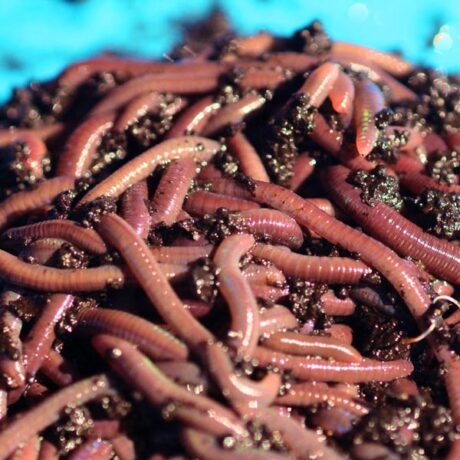 African Nightcrawlers are a top choice for generating worm castings. These large, fast-eating worms produce a rich, crumbly compost loaded with plant-available nutrients. However, they are tropical worms and must be kept in environments above 55°F to thrive. Their productivity demands regular bedding refreshes and timely casting removal to keep the habitat healthy.
2nd Choice: European Nightcrawlers
Pros:
✅ Tolerates cooler temperatures
✅ Good casting production
✅ Ideal for outdoor bins
Cons:
❌ Sensitive to acidic bedding
❌ Regular bedding changes needed
 European Nightcrawlers are a strong alternative for castings production, especially if you’re in a temperate climate. While slightly less productive than Africans, they’re more adaptable and can handle lower temperatures. Just avoid feeding them excessive grains to prevent acidic conditions.
Goal: Raising Live Fishing Bait
Top Pick: European Nightcrawlers
Pros:
✅ Stays firm and active on the hook
✅ Cold-tolerant—great for ice fishing
✅ Good movement attracts fish
Cons:
❌ May need larger space for breeding stock
If your goal is to raise fishing worms, European Nightcrawlers are ideal. Their durability in water, resistance to cold, and size (4–5 inches) make them a favorite among anglers. They hold up well on hooks and remain lively even after long periods submerged, unlike traditional baitworms.
Goal: Providing Pet Food
Best Worm: Red Wigglers
Pros:
✅ High-protein, nutritious food source
✅ Easy to digest for small pets
✅ Always fresh
Cons:
❌ May be too small for larger animals
Worms make excellent natural pet food for reptiles, amphibians, birds, and aquarium fish. Red Wigglers, in particular, are protein-rich and packed with nutrients like iron, amino acids, and zinc. Supplementing your pet’s diet with live worms enhances color, energy, and overall health. Just like humans, pets thrive on variety—worms are an ideal fresh addition to commercial diets.
Summary
Of the thousands of earthworm species in existence, only three are commonly cultivated for worm composting, fishing bait, and animal feed:
🔴 Red Wiggler
Small (2–3 inches), deep red with a yellow-tipped tail
Best for composting and pet food
🔵 European Nightcrawler
Medium (4–5 inches), thick body with striped banding
Great for fishing and casting production
🟣 African Nightcrawler
Large (6–7 inches), purple-brown with iridescent sheen
Ideal for fast casting output in warm environments
All three species are epigeic worms, meaning they live in the top layer of soil, do not form permanent burrows, and feed on surface organic matter. These characteristics make them perfect for vermicomposting and indoor worm bins.
Final Thoughts
Choosing the right worm species depends on your specific goal. Here’s a quick recap:
Goal | Best Worm |
|---|---|
| Composting kitchen/paper waste | Red Wiggler |
| Producing worm castings | African or European Nightcrawler |
| Raising fishing bait | European Nightcrawler |
| Feeding pets | Red Wiggler |