
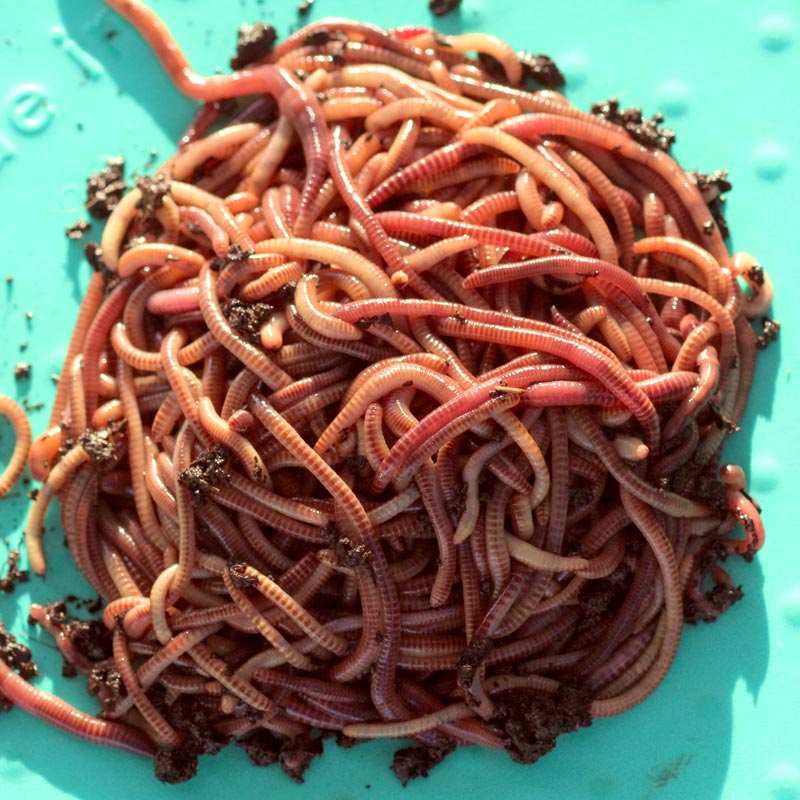
Wondering how many worms you need to start composting? It’s a smart time to estimate the size of your initial worm population based on your composting goals and available food waste. The number of worms you need depends largely on how much organic material you can feed them consistently.
Use these simple guidelines to choose the right starting quantity:
🍎 If You Prepare Fresh Food Daily:
You generate a lot of vegetable scraps—think peels, rinds, stems, and leftover produce—and often clean out old food from the fridge.
Recommended Maximum Starting Amounts:
-
2,000 Red Wigglers
-
1,000 European Nightcrawlers
-
2 lbs African Nightcrawlers
-
OR a mix: 1,000 Red Wigglers + 500 European Nightcrawlers
🥕 If You Cook a Few Times per Week:
You prepare fresh meals 2–3 times weekly and clean out the fridge about once a week, producing moderate food waste.
Recommended Maximum Starting Amounts:
-
1,000 Red Wigglers
-
500 European Nightcrawlers
-
1 lb African Nightcrawlers
🧑🌾 Best Advice for Beginners
At Worms4Earth.com, our guides are beginner-friendly but informative enough for experienced vermicomposters. If you’re new to worm composting, start small. We recommend no more than 2 pounds of African Nightcrawlers, or 2,000 Red Wigglers, or 500 European Nightcrawlers) per 16–18 gallon bin. This size allows your worm population to grow gradually while you get familiar with their feeding habits and reproductive cycle.
Pro Tip: A smaller starting colony also makes harvesting castings easier, especially when separating worms from their bedding for the first time.
🍌 Worried You Don’t Produce Enough Food?
Don’t stress. If your household produces even 1 pound of food scraps per week, you have more than enough to feed a starter worm bin. Worms don’t eat fresh waste directly—it takes days or weeks for food to break down into a form they can digest. While last week’s scraps decompose, you can keep collecting new scraps for their next meal.
🌱 Grow With Confidence
As you gain experience with your worm bin, you’ll be able to scale your vermiculture operation—whether that means increasing your worm population, expanding to multiple bins, or harvesting more nutrient-rich castings for your garden.