


Overview
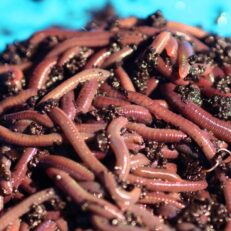
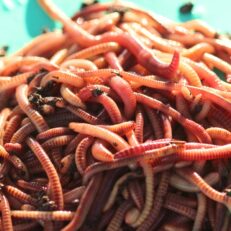
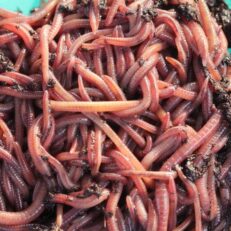
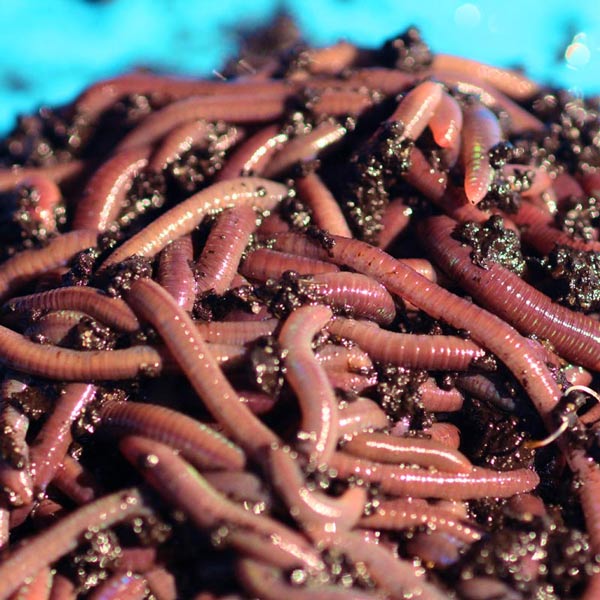
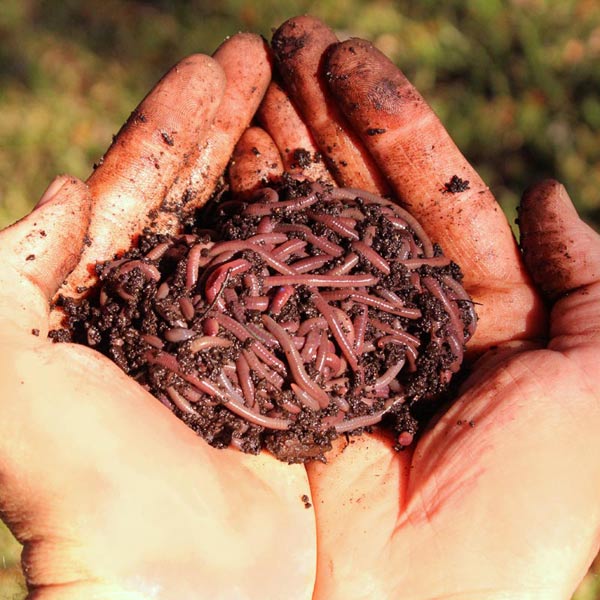
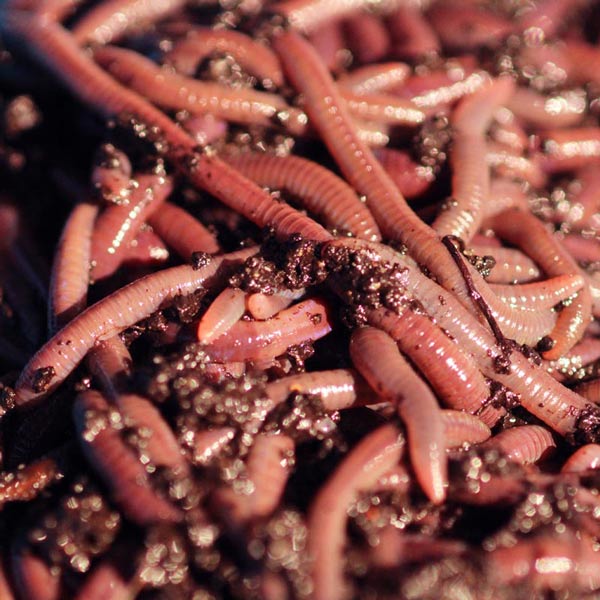
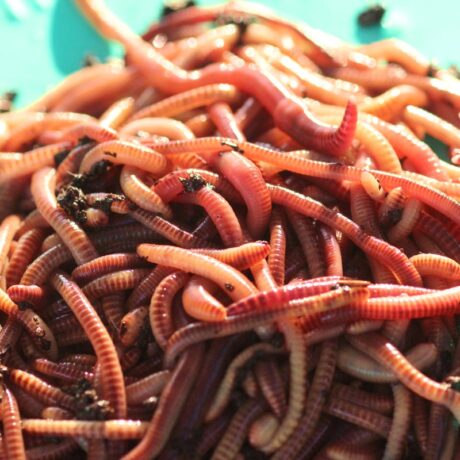
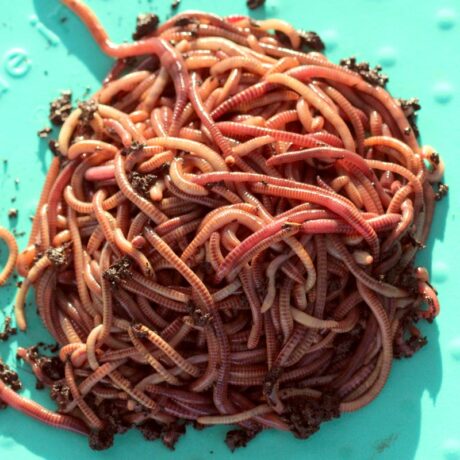
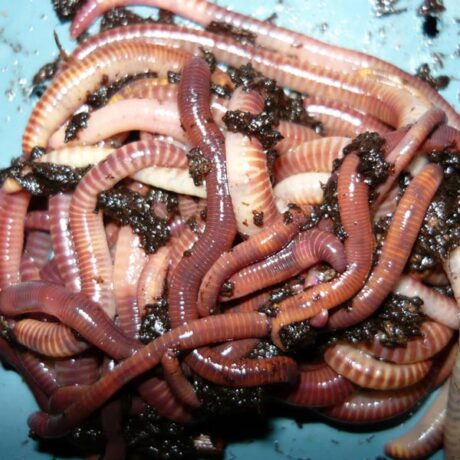
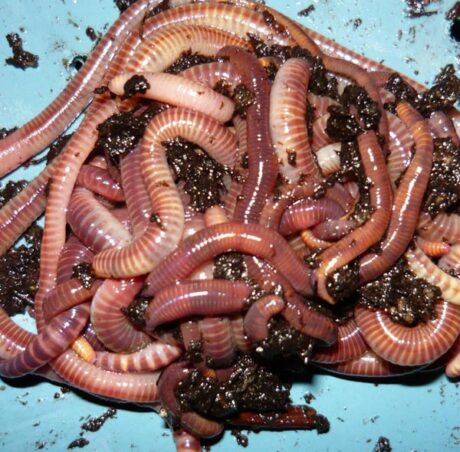
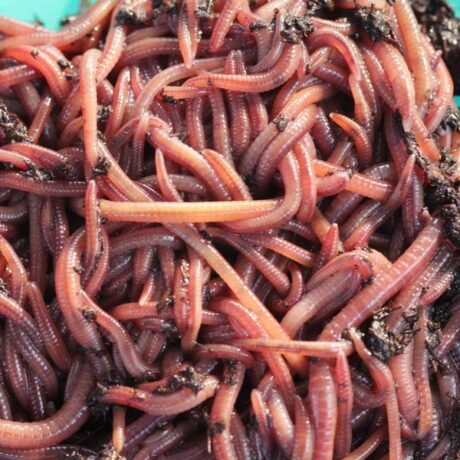
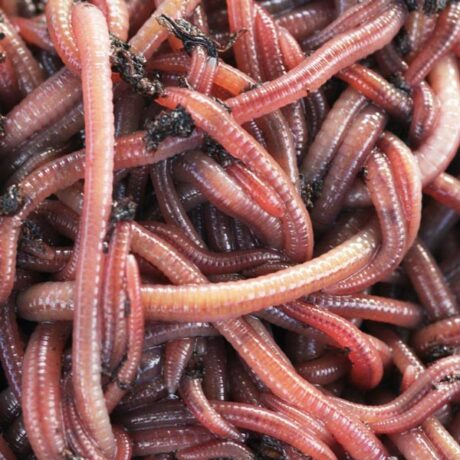
The African Nightcrawler (Eudrilus eugeniae) is a tropical composting worm known for its impressive size and voracious appetite. It thrives in warmer climates, tolerating temperatures higher than many other composting worm species. These worms have a sleek, purple-gray coloration with evenly tapered posterior segments and can grow over 6 inches long, making them the largest commonly used composting worm.
African Nightcrawlers are highly efficient at converting organic waste into nutrient-rich vermicompost, which is prized by organic gardeners. They readily consume kitchen scraps, composted farm manure, and worm-specific grain feeds. Known for their rapid growth and prolific casting production, they also breed quickly and process large volumes of organic material — the larger the worm, the more it eats!
⚠️The optimal temperature range for African Nightcrawlers is 75–86°F (24–30°C). They are not frost-tolerant and will not survive in conditions below 50°F (10°C).
Habitat Recommendations
- Plastic Storage Tote
- Worm Factory
- 5 gallon bucket
- *Manure pile
- *Compost pile
Bedding Recommendations
African Nightcrawlers adapt well to a variety of bedding materials. The following options work well, and you can combine them as needed:
- *Composted manure (fully aged)
- Coconut coir
- Shredded newspaper
- Mushroom compost
- Shredded brown cardboard
- *Peat moss (with caution)
⚠️ *Important notes:
Horse and cow manure must be fully composted for at least 4–6 weeks before use.
Rabbit manure sourced from beneath hutches should be thoroughly rinsed to reduce high urine content.
Peat moss can have a low pH, potentially causing the worms to flee. Soak it for 48 hours and consider adding garden lime (calcium carbonate) to balance the pH.
Feeding: What & How Much
African Nightcrawlers can eat most fruit and vegetable scraps you would typically compost. However, avoid meat, dairy, and oily or fried foods — these can rot, smell, and harm your worm bin’s health.
How Much Kitchen Scraps to Feed
Start by feeding about 4 fist-sized portions of kitchen scraps.
-
Decomposition time: 1 to 3 weeks, depending on food type and temperature
-
Once most food is gone, add another 4 fist-sized portions
-
Over time, you’ll learn how quickly your worms consume different materials and can adjust feeding frequency accordingly
How to Feed Grain-Based Worm Food
There are two feeding methods for worm-formulated grain:
1. Top Feeding Method
-
Start with ¼ cup of dry grain, evenly sprinkled on top of the bedding
-
Lightly mist with water to soften the feed
-
Wait until all the grain is consumed before feeding again
-
If eaten in under 12 hours, increase the amount
-
If it takes more than 36 hours, reduce the amount
-
-
Add 2 inches of fresh bedding every 2 weeks to maintain bin health
2. Total Mix Feeding Method
-
Mix ¼ cup of grain per gallon of bedding
-
Thoroughly blend feed and bedding, and create extra pre-mixed material
-
Feed by adding 1 inch of the mix to the habitat every 3 weeks or when the previous portion is fully consumed
Helpful Tips
-
African Nightcrawlers are sensitive to low pH levels. Use a pH meter to monitor bedding conditions.
-
Maintain a low ratio of worm castings to fresh bedding — too much castings buildup will reduce habitat quality.
-
These worms are more prone to escaping (running) than other composting worms. If they try to leave, your bedding may be too acidic or in poor condition.
-
If feeding a grain-only diet, watch closely for signs of:
-
Overfeeding: Uneaten grain will ferment, sour the bedding, and lower the pH
-
Underfeeding: Worms may attempt to leave the bin in search of food
-
By providing the right habitat, proper bedding, and a balanced diet, African Nightcrawlers can thrive and become powerful composting allies in your vermiculture setup.
Donald Lourie (verified owner) –
I ordered 5 pounds of African Nightcrawlers from Worms4Earth. They arrived in great condition. The packaging was well done. I put them in my compost bin and they acclimated in a few days. I would order from this company again.