
Overview
Coconut coir is one of the best bedding materials available for worm composting. It creates a soft, moisture-balanced environment that is perfect for worms to burrow, feed, and process organic waste into nutrient-rich castings. This natural, sustainable substrate helps support a thriving worm habitat.
Also known simply as coir, coconut coir is a by-product of coconut harvesting. It comes from the fibrous layer found between the hard inner shell and the outer husk of the coconut. To extract it, coconuts are soaked in water to loosen the fibers, then dried—often for over a year. This process results in a clean, chemical-free material that is completely safe for worms and the castings they produce.
While commonly used in gardening and agriculture for its excellent water retention and drainage properties, coconut coir is also ideal for worm bedding. It holds moisture without compacting, ensuring that your worms can move freely through the light and fluffy material.
Unlike sphagnum peat moss, which has an acidic pH, coconut coir has a neutral pH of 7.0, making it worm-friendly without the need for pH correction additives like calcium carbonate. Additionally, coir is a more eco-friendly alternative to peat moss, as coconut trees produce coconuts year-round, making it a renewable and sustainable resource.
How to Use Coconut Coir for Worm Bedding
You can use coconut coir on its own or combine it with other bedding materials like shredded newspaper or cardboard for added texture and airflow. Mixing coir with paper products also stretches your supply and helps maintain optimal worm habitat conditions.
Preparation Steps:
-
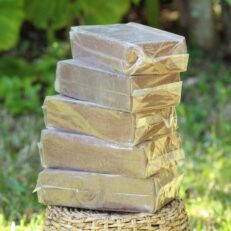
Soak the Brick
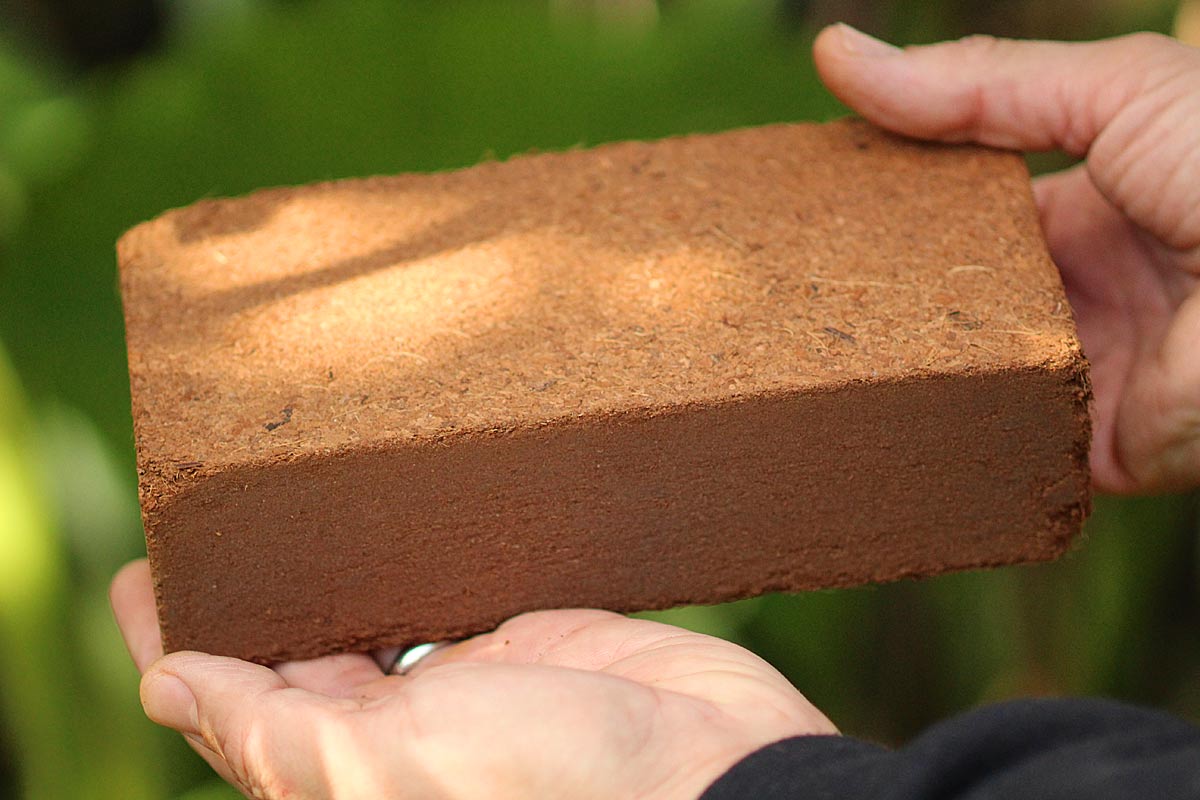
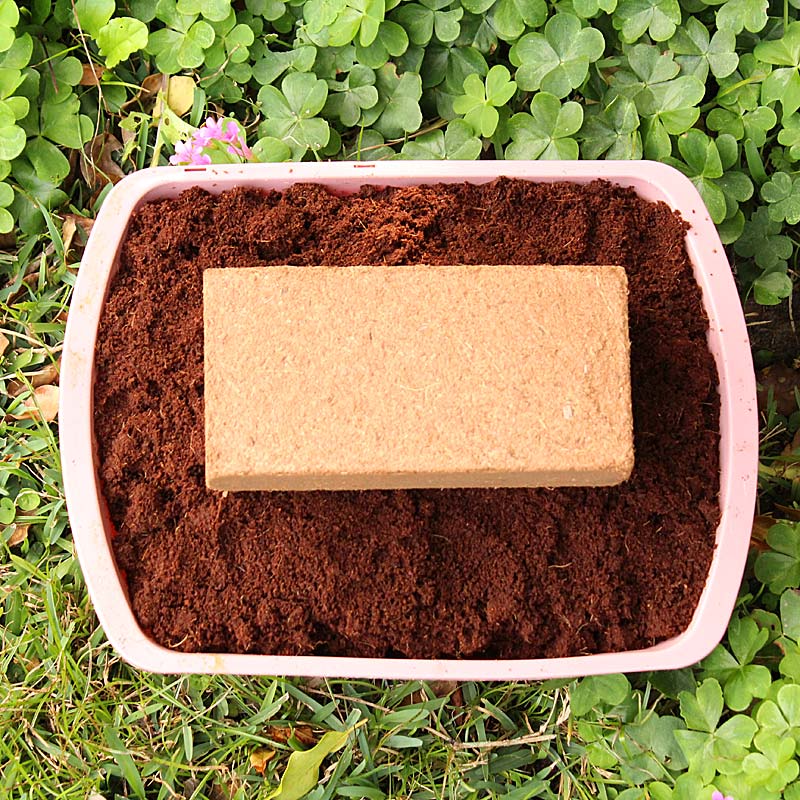
Place the compressed coir brick in a shallow pan. Fill the pan with water about halfway up the side of the brick and let it sit until the coir absorbs all the water. Add more water as needed. -
Check Moisture Level
Once fully expanded, squeeze out any excess water until the coir feels like a damp sponge—moist but not dripping. -
Add to Habitat
-
If using coir alone, add at least 4 inches of dampened coir to your worm bin.
-
If mixing with paper or cardboard, 6 inches of combined bedding is ideal.
-
-
Maintain Bedding
As the bedding darkens due to castings, refresh your bin by topping it off with new, moistened coir or a coir-paper mix.
Helpful Tips
-
Coconut coir has an unlimited shelf life when stored in its original packaging.
-
Store in a cool, dry place to keep it fresh.
-
Add a handful of garden soil or sand to provide grit, which helps worms digest food more effectively.
-
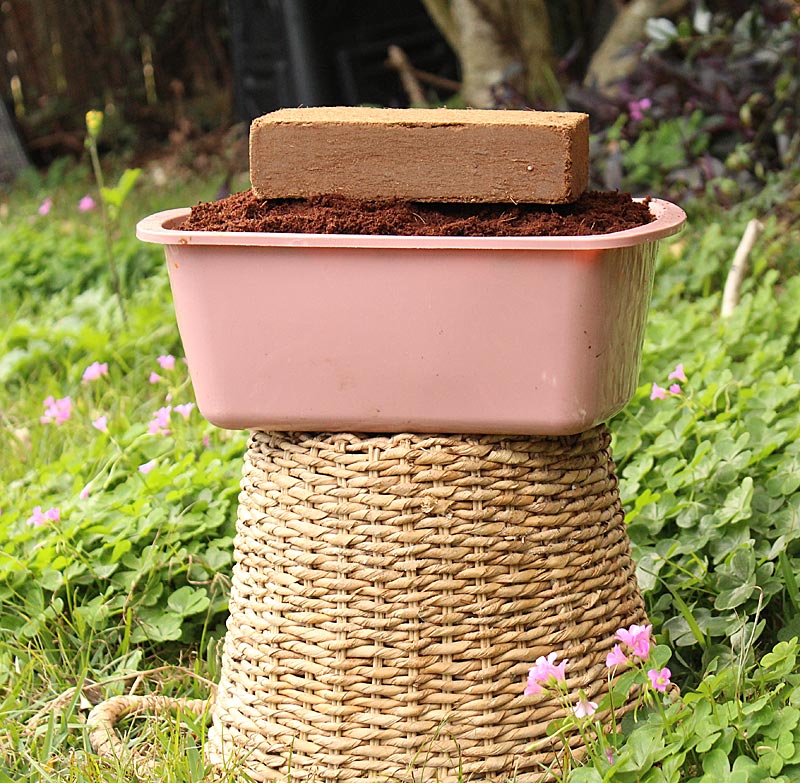
A single brick of dry coconut coir expands up to 8 times its original size when hydrated.
Optimize your worm bin with coconut coir—eco-friendly, worm-safe, and composting ready.
Reviews
There are no reviews yet.