

Overview
The European Nightcrawler is a top choice for home composters, professional worm casting producers, and anglers alike. Originally raised extensively in Holland, this hardy worm has gained popularity worldwide thanks to its tolerance for a wide range of temperatures and ease of care.
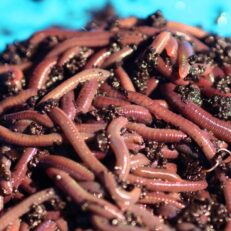
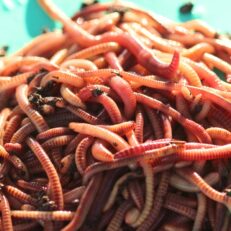
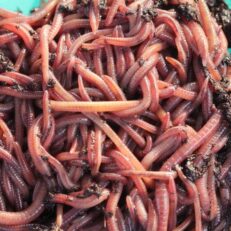
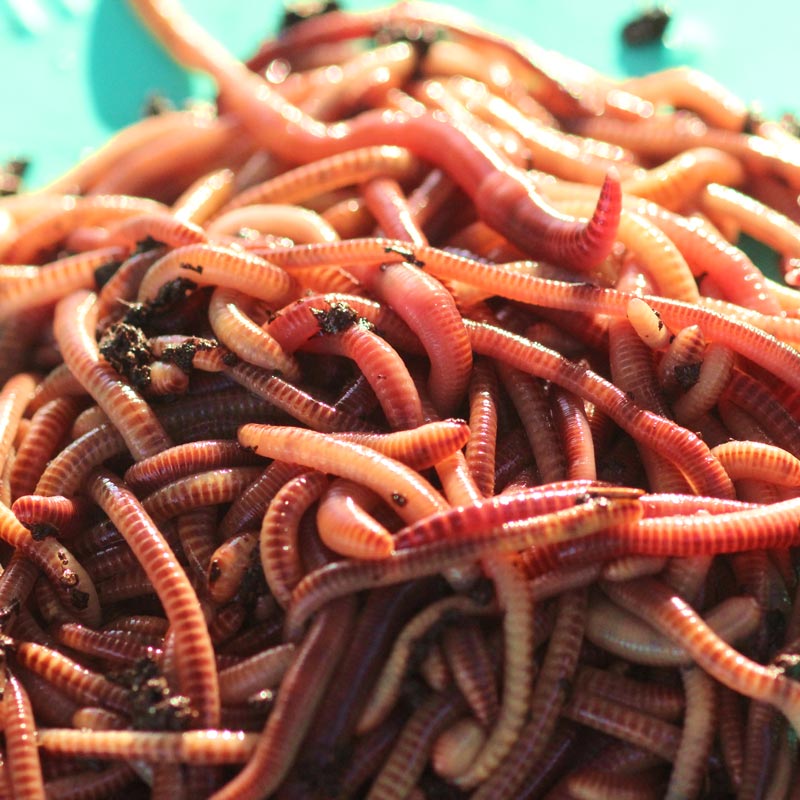
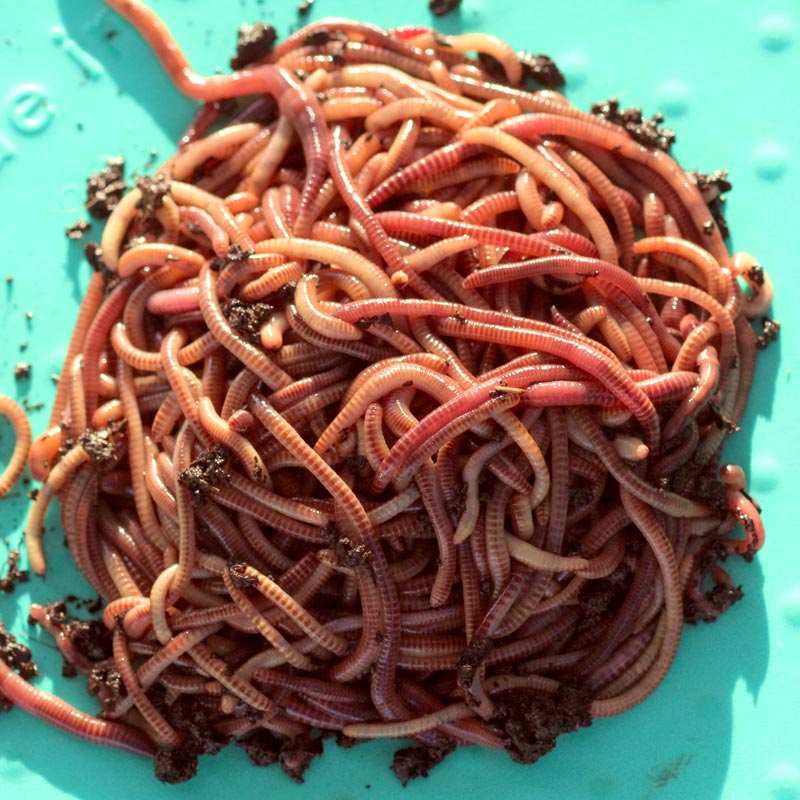
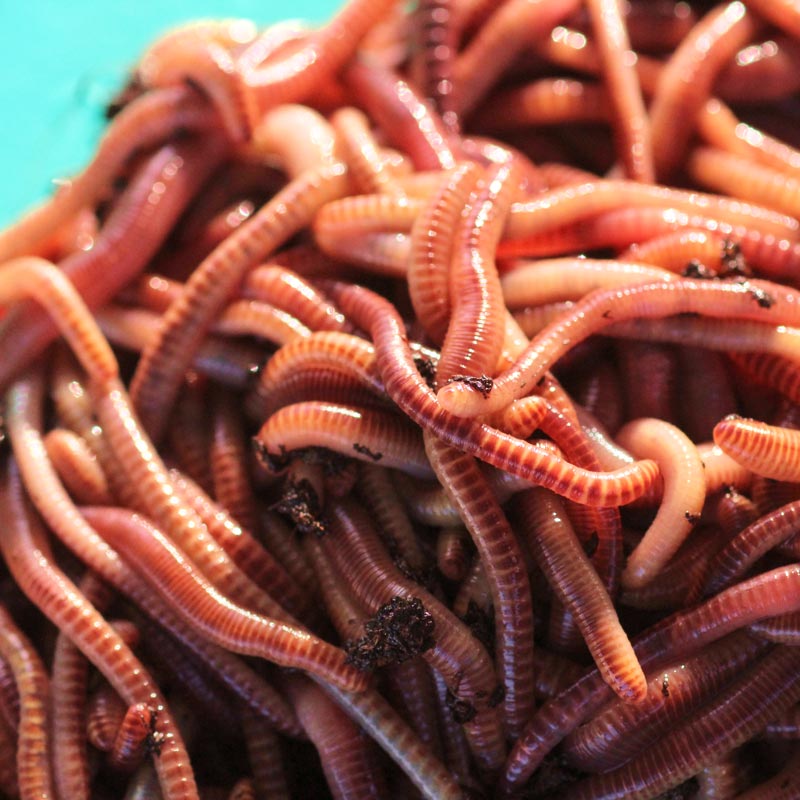
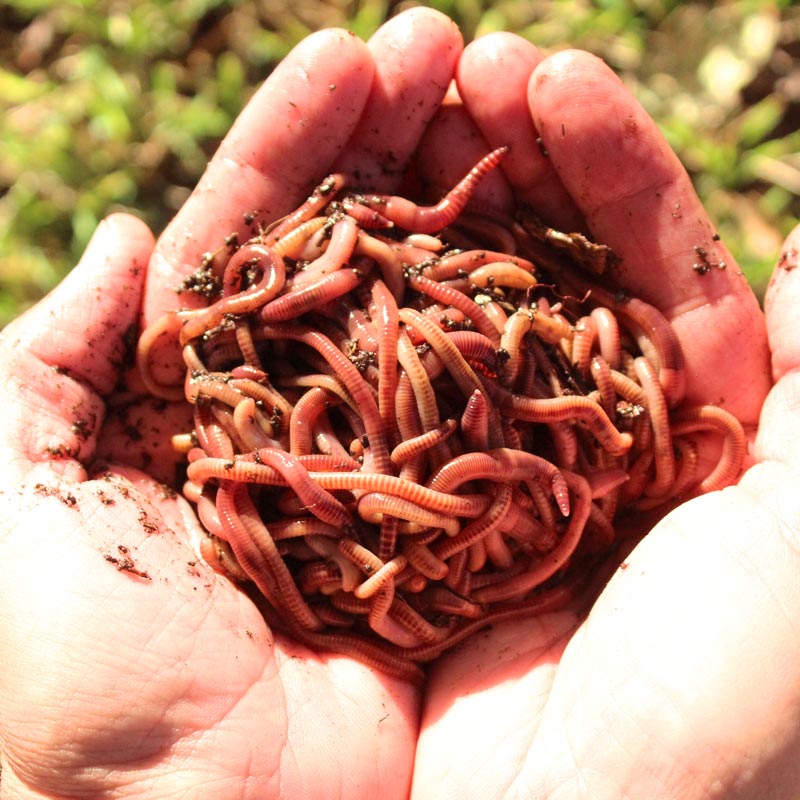
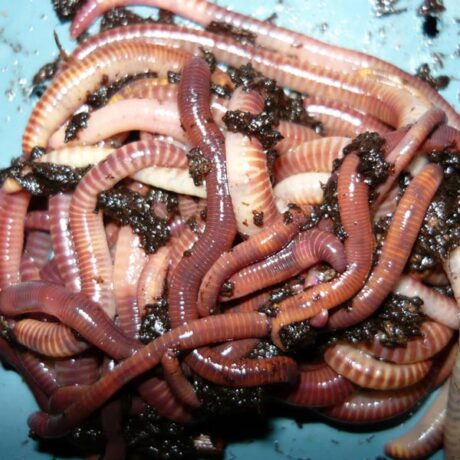
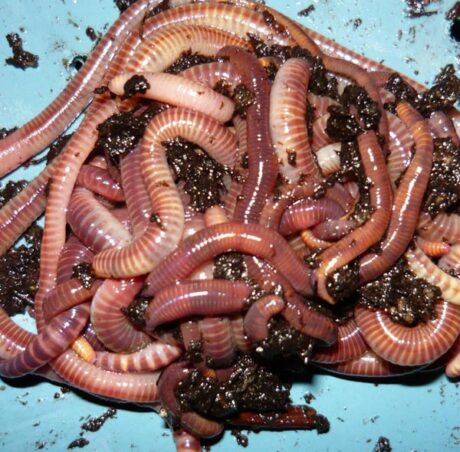
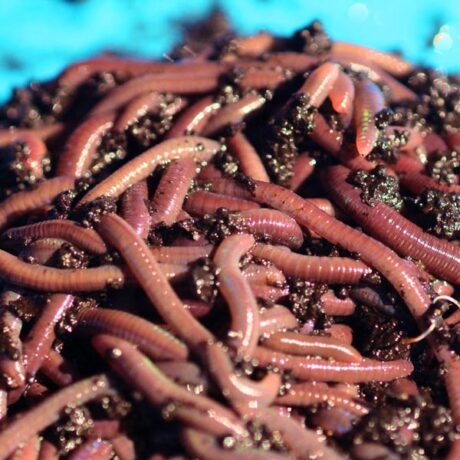
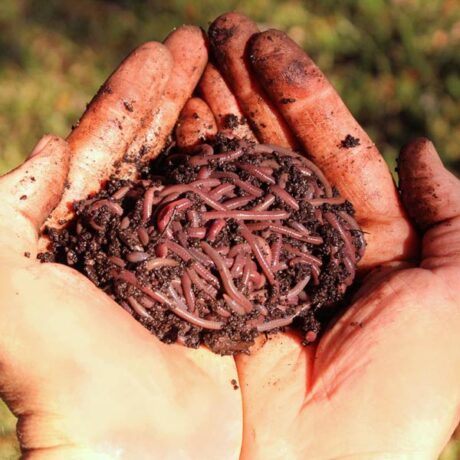
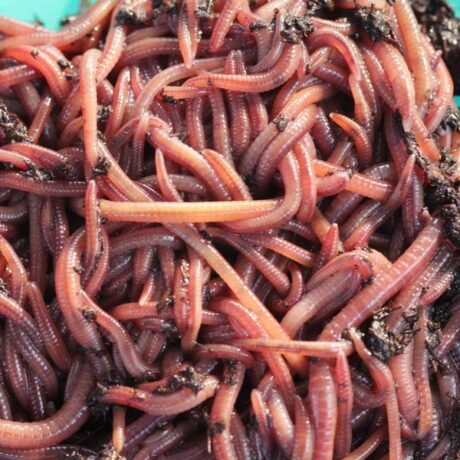
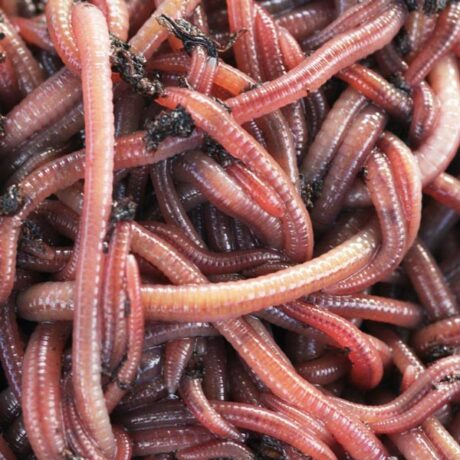
European Nightcrawlers are easily identified by their distinctive striped banding and thick girth. While slightly smaller than the African Nightcrawler in total size, their worm castings are just as nutrient-rich. These worms can be fed a variety of organic materials, from kitchen scraps to grain meal.
If you’re looking for a reliable fishing worm, European Nightcrawlers are ideal. Unlike Canadian Nightcrawlers, which often go limp and soggy, Europeans stay firm on the hook and can survive submerged for longer periods. Their thickness also makes them perfect for larger hooks when targeting bass, catfish, and other game fish.
⚠️ Important: European Nightcrawlers cannot survive freezing temperatures (below 32°F). If placing them in an outdoor pile, keep this in mind. That said, freezing conditions don’t always eliminate the population—worms often burrow deeper into the soil to avoid the cold.
Habitat Recommendations
- Plastic Storage Tote
- Worm Factory
- 5 gallon bucket
- *Manure pile
- *Compost pile
Recommended Bedding
European Nightcrawlers can thrive in a variety of bedding materials. For optimal results, you can mix and match from the list below:
-
Composted manure (fully aged)
-
Coconut coir
-
Shredded newspaper
-
Mushroom compost
-
Shredded brown cardboard
-
Peat moss (use with care)
⚠️ Important notes:
Horse and cow manure must be composted for 4–6 weeks before use.
Rabbit manure collected from under hutches should be rinsed thoroughly to remove excess urine.
Peat moss may have a low pH and should be used sparingly. Pre-soak for 48 hours or balance with garden lime (calcium carbonate) to prevent worms from leaving the bin.
Feeding Tips for European Nightcrawlers
European Nightcrawlers can consume most of what you eat! However, avoid meat and fried foods, as they decompose poorly and can create strong odors or harmful conditions.
Feeding Kitchen Scraps
No need for exact measurements—use your fist as a guide. Start with three fist-sized portions of food scraps. Depending on the food’s breakdown rate, worms will consume it in 1 to 3 weeks. Once it’s nearly gone, feed another three portions. Over time, you’ll learn how quickly different foods decompose and can adjust accordingly.
Grain Feeding Guide
European Nightcrawlers thrive on specially formulated grain worm feed. You can feed using two common methods:
1. Top Feeding
-
Sprinkle 1/4 cup of grain evenly over the bedding.
-
Mist lightly with water to soften the grain.
-
Wait until the grain is completely consumed (12–36 hours) before feeding again.
-
If eaten in less than 12 hours, increase the portion.
-
If it takes longer than 36 hours, decrease the amount.
-
-
Add 2 inches of fresh bedding every 2 weeks to keep conditions optimal.
2. Total Mix Feeding
-
Mix 1/4 cup of grain per 1 gallon of bedding.
-
Blend thoroughly and store extra bedding/feed mix.
-
Feed when grain is fully consumed—usually every 3 weeks.
-
Add 1 inch of the pre-mixed bedding/feed to the top of your worm bin when needed.
Helpful Tips for Raising European Nightcrawlers
-
Harvest castings every 4–5 weeks to prevent buildup. Wet castings resemble mud, making it harder to separate the worms during harvest.
-
Ensure your worm bin has drainage holes. Moisture from food scraps can accumulate at the bottom and harm the worms.
-
If you’ve raised Red Wigglers before, raising European Nightcrawlers will be easy. Just remember: European Nightcrawlers are larger and produce more castings, which means you’ll need to refresh the bedding more often.
European Nightcrawlers are an excellent all-around worm species—ideal for vermicomposting, fishing, and producing premium-quality worm castings. Whether you’re managing a small kitchen bin or expanding your worm farm, these resilient worms will reward you with faster composting and a better return on your organic waste.
Let me know if you’d like this formatted for product listings, blog posts, or email marketing!
Reviews
There are no reviews yet.