

Overview
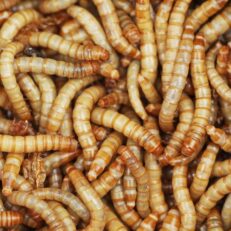
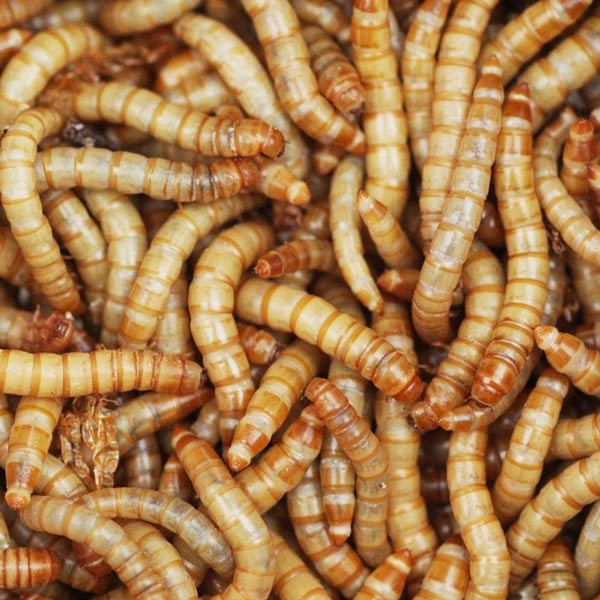
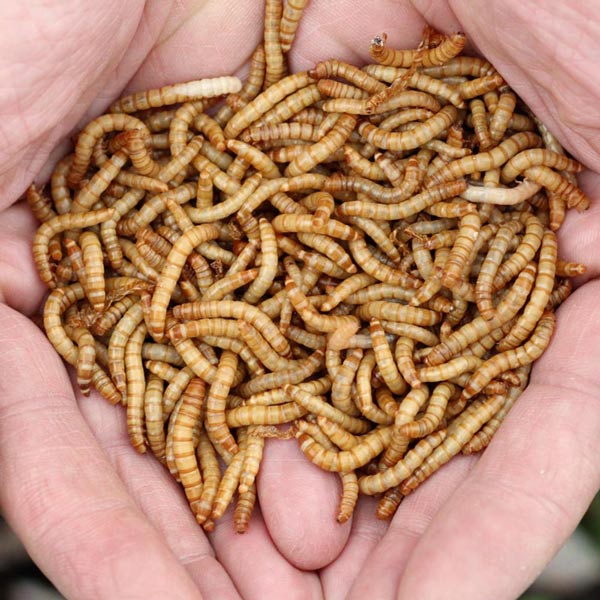
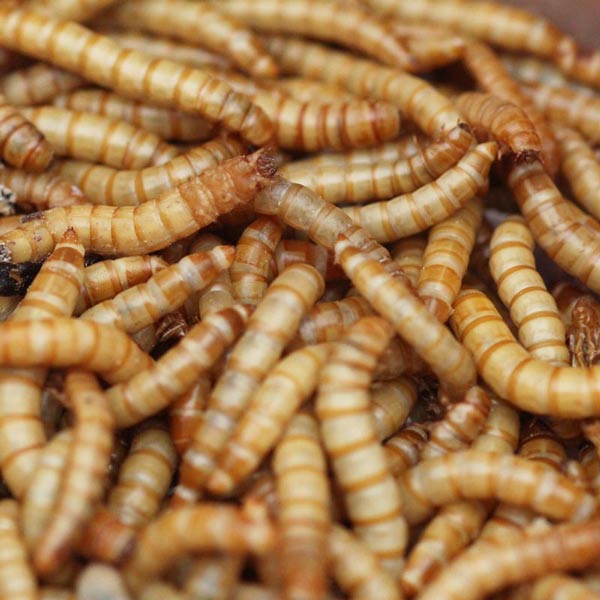
Mealworms are the larval stage of the darkling beetle (Tenebrio molitor). They undergo a complete metamorphosis with four distinct stages: egg, larva, pupa, and adult beetle. The duration of each stage depends on environmental temperature and food availability. We provide mealworms in the larval stage, which is ideal for feeding and rearing purposes.
In the wild, mealworms feed on dried grasses, leaf litter, and decomposing organic material. They typically hide under logs, fallen leaves, or decaying vegetation. Mealworms grow up to 1 inch long before entering the pupal stage. After 2 to 3 weeks, the pupa transforms into a black adult beetle. The entire mealworm life cycle can take anywhere from four months to one year.
Mealworms are commonly used as high-protein food for pet reptiles, fish, birds, and even for wild birds during nesting season. They are also a popular choice for fishing bait due to their nutritional value and ease of use.
Mealworm Habitat Setup
Mealworms require minimal space. For housing 1,000 mealworms, consider the following options:
-
5-gallon plastic tote
Minimum container dimensions: 16″ L x 12″ W x 9″ H -
5-gallon bucket
A lid is not essential, as mealworms cannot climb out. However, using a lid can help prevent infestations from other insects.
Bedding for Mealworms
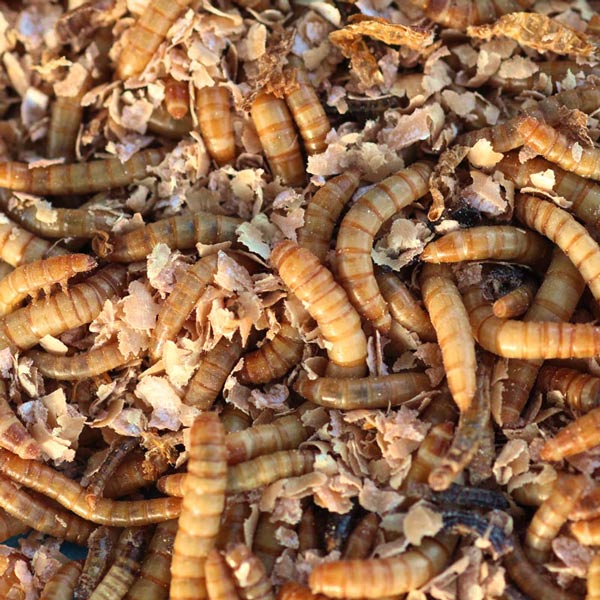
Mealworm bedding doubles as their primary food source. Unlike composting worms, mealworms thrive in a dry environment. Suitable bedding materials include:
-
Wheat bran
-
Cornmeal
-
Wheat flour
-
Rolled oats
Spread a 2-inch layer of bedding at the bottom of the container. Finer materials make it easier to sift and collect the worms. Replenish the bedding regularly as the worms consume it. Clean the container and replace bedding at least once a month—or sooner if it starts to smell. Be sure to sift out worms, beetles, and eggs before discarding used bedding.
How to Feed Mealworms
Although mealworms eat their bedding, they also require moisture to stay hydrated. Add small pieces of fruit or vegetables such as:
-
Carrots
-
Apples
-
Potatoes
-
Cabbage
-
Kale
Remove food before it spoils or molds. Avoid adding water directly—mealworms can drown. If fresh produce isn’t available, use a moist paper towel: wring it out, ball it up, and place it on top of the bedding.
Also, make sure to:
-
Remove any dead larvae, pupae, or adult beetles regularly.
-
Keep the environment dry and clean.
Important Mealworm Facts
-
Mealworm eggs are tiny, white, and bean-shaped. They hatch in 1–4 weeks.
-
Larvae grow by molting—shedding their exoskeleton—up to 20 times.
-
During the final molt, the larva transforms into a pupa, which is motionless and does not feed.
-
Pupae develop for about 3 weeks, growing internal organs and wing buds.
-
The adult beetle emerges white, gradually turning brown and then black as its exoskeleton hardens.
-
Although adult beetles have wings, they cannot fly.
-
Adult beetles live 1–3 months, begin mating within days, and start laying eggs shortly after.
-
Mealworms breathe through spiracles, tiny holes along their bodies that supply oxygen through tracheal tubes.
Final Thoughts
Mealworms are low-maintenance, nutrient-rich feeder insects that are perfect for pet owners, bird enthusiasts, and anglers. With the right habitat setup and feeding practices, you can easily maintain a healthy mealworm colony for months.
Reviews
There are no reviews yet.