

Overview
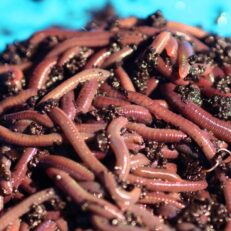
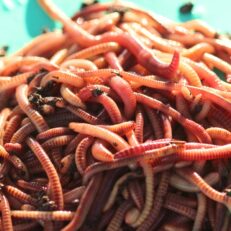
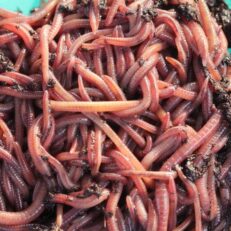
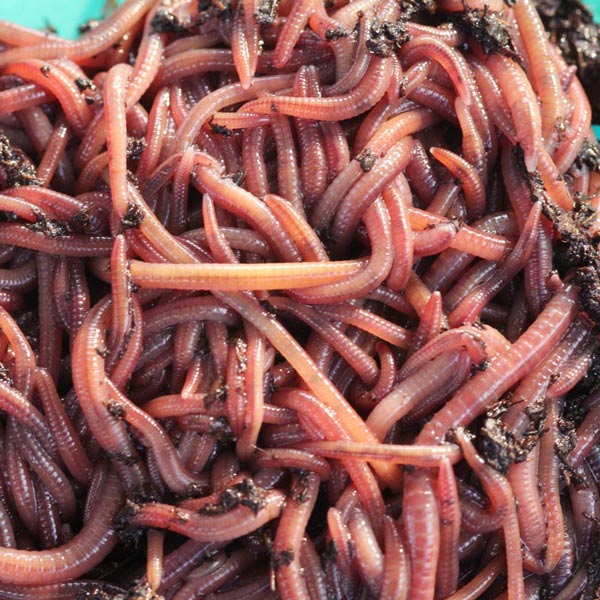
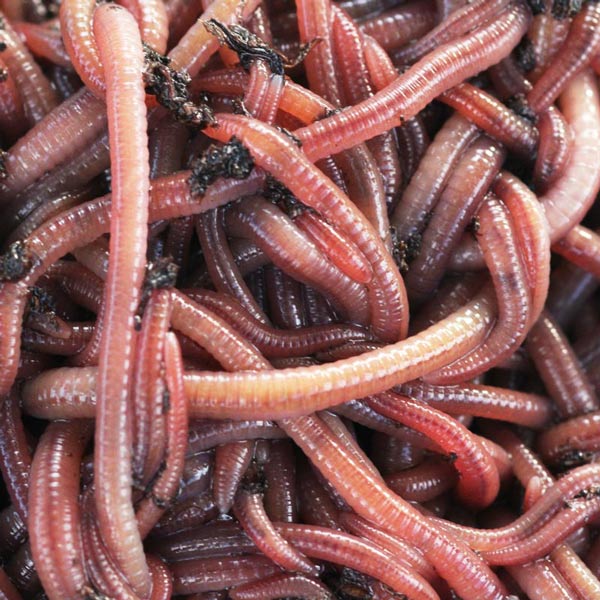
Red Wigglers are widely recognized as the best composting worms for converting kitchen scraps and paper waste into nutrient-rich worm castings. These worms are known for their voracious appetites, ability to thrive in high-density environments, and resilience across a wide range of conditions. They tolerate disturbance well, making them ideal for bins that require frequent turning and maintenance.
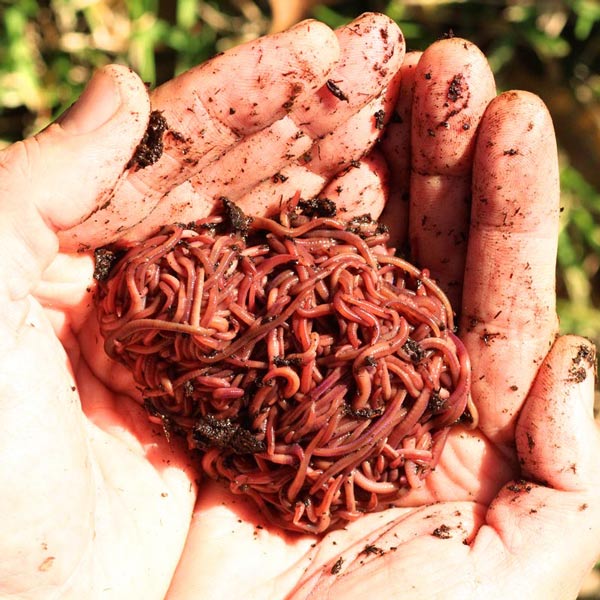
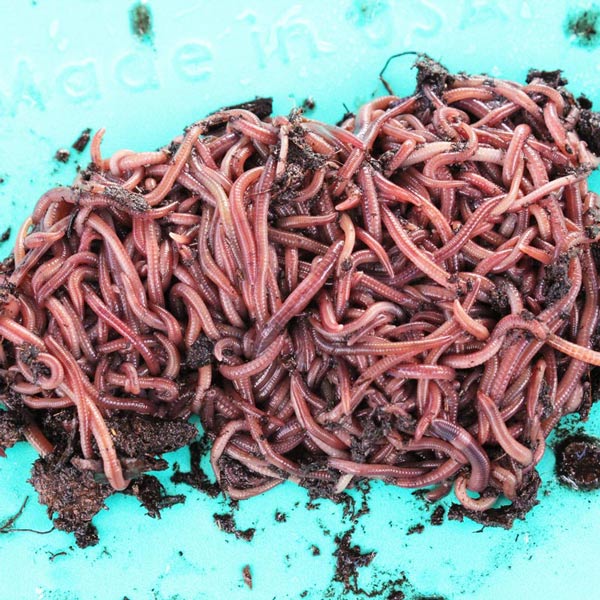
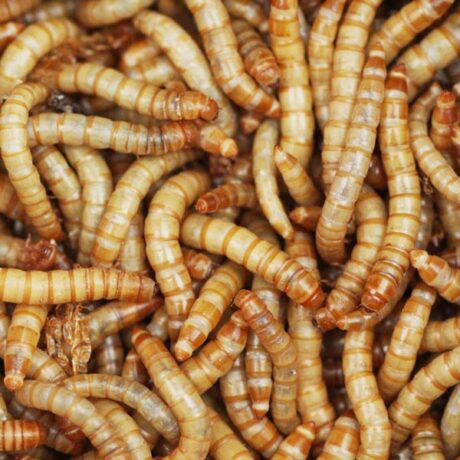
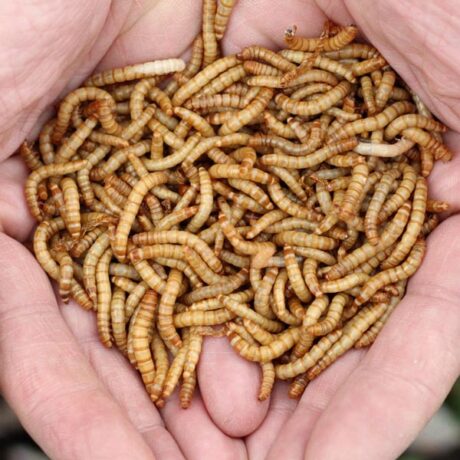
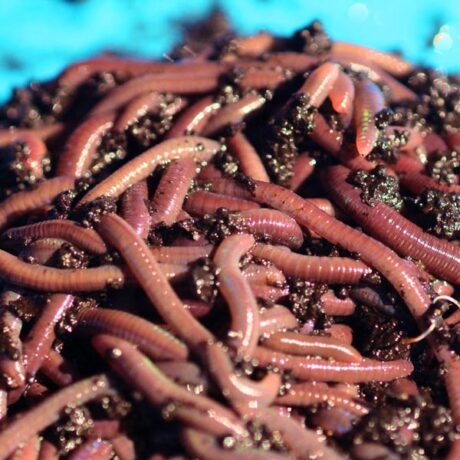
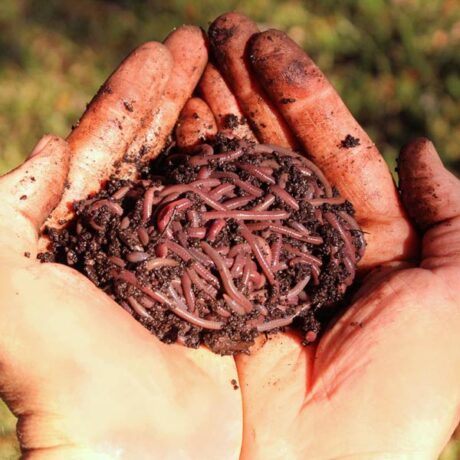
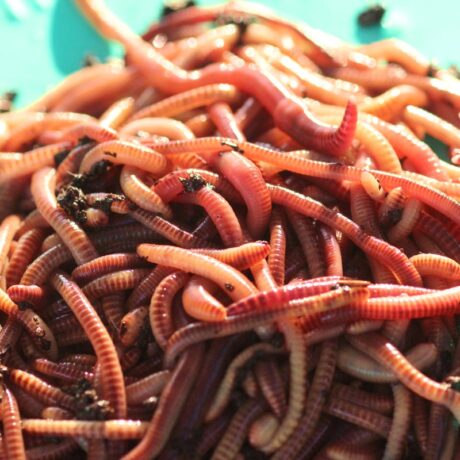
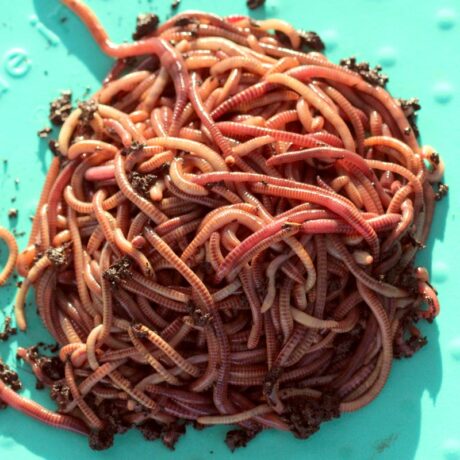
Their deep red color, subtle banding, and yellow-tipped tail help identify them. Despite their small size—typically growing to 3–4 inches long—Red Wigglers can process large amounts of organic waste. They’re equally suited to small indoor bins and large-scale composting operations.
Unlike burrowing worms, Red Wigglers live near the surface and prefer the top layers of your compost bin, where organic material is most readily available. They adapt quickly to changes in their environment and continue working even in cooler temperatures. While they can survive close to 40°F, their ideal bedding temperature is between 68°F and 80°F.
With Red Wigglers, you can compost your kitchen scraps up to 10 times faster than traditional composting methods.
Note: Our Red Wigglers are a healthy blend of Eisenia fetida and Perionyx excavatus species.
Recommended Habitat
-
10-gallon plastic storage tote (minimum)
-
Minimum container size: 16″ L x 12″ W x 9″ H
-
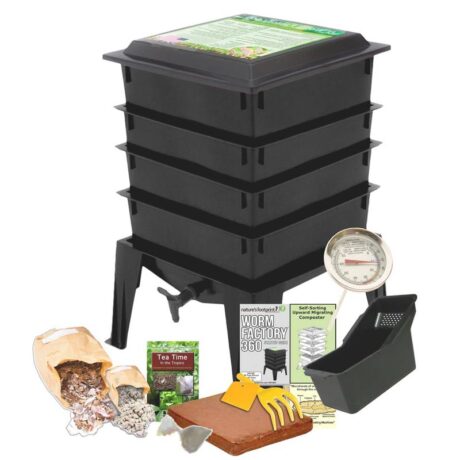
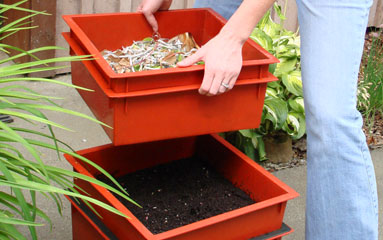
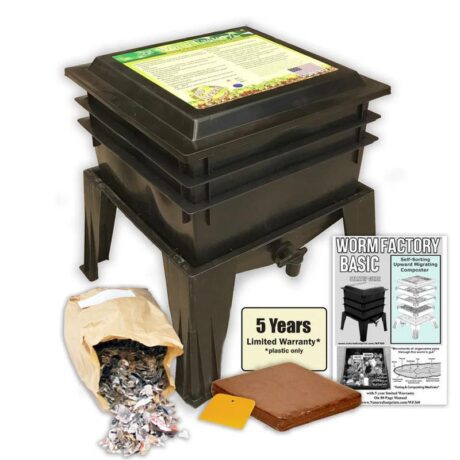
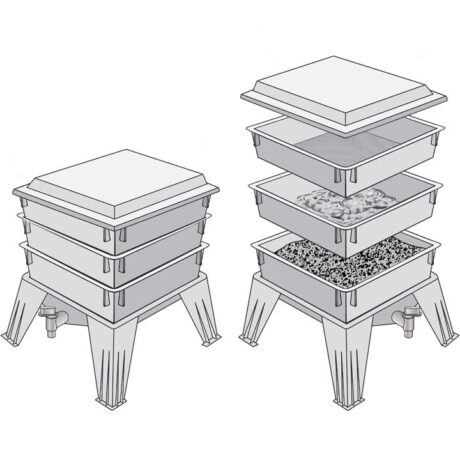
Worm Factory (2 trays or more)
-
5-gallon bucket
-
Outdoor manure pile (in warm climates)
-
Outdoor compost pile (seasonal use)
⚠️ Red Wigglers cannot survive below 32°F. When using outdoor piles, keep in mind that freezing weather can be fatal. However, some worms may survive by burrowing deeper into warmer layers of the soil.
Recommended Bedding
Red Wigglers can thrive in a variety of bedding materials. For optimal results, you can mix and match from the list below:
-
Composted manure (fully aged)
-
Coconut coir
-
Shredded newspaper
-
Mushroom compost
-
Shredded brown cardboard
-
Peat moss (use with care)
⚠️ Important notes:
Horse and cow manure must be composted for 4–6 weeks before use.
Rabbit manure collected from under hutches should be rinsed thoroughly to remove excess urine.
Peat moss may have a low pH and should be used sparingly. Pre-soak for 48 hours or balance with garden lime (calcium carbonate) to prevent worms from leaving the bin.
Feeding Guide
Red Wigglers will eat almost any organic matter you would compost — including fruit and vegetable scraps, coffee grounds, and shredded paper. Avoid feeding meat, dairy, and fried or oily foods, as these can spoil, create odors, and harm your worm bin ecosystem.
No need for precise measurements — just use your fist as a guide. Start by feeding:
-
3 fist-sized portions of food scraps
-
Allow 1 to 3 weeks for the scraps to break down, depending on conditions
-
Once most of the food is gone, feed another 3 fist-sized portions
With time, you’ll learn how fast different foods are consumed and can adjust accordingly.
Feeding Formulated Worm Grain
There are two feeding methods for grain-based worm food:
1. Top Feeding Method
-
Start with ¼ cup of dry grain, spread evenly on the bedding surface
-
Lightly mist with water to soften the feed
-
Wait until all feed is consumed (typically 12–36 hours) before feeding again
-
If eaten in under 12 hours, increase slightly
-
If it takes over 36 hours, reduce the amount
-
-
Add 2 inches of fresh bedding every 2 weeks to maintain bin balance
2. Total Mix Feeding Method
-
Mix ¼ cup of worm feed per 1 gallon of bedding
-
Blend thoroughly and prepare extra mix to store
-
Every 3 weeks, add 1 inch of the pre-mixed feed/bedding to the top of the bin
Pro Tips for Raising Red Wigglers
-
Beginner-friendly: Red Wigglers are the easiest composting worms to care for and can even survive without bedding if food is abundant (though bedding helps control odor).
-
Harvest castings regularly: Aim to harvest every 6 weeks. Excess worm castings can compact and make separating worms difficult.
-
Ensure proper drainage: Food scraps contain water, which can accumulate and cause anaerobic conditions. Always include drainage holes or a collection tray to keep bedding healthy.
With their resilience, adaptability, and unmatched composting speed, Red Wigglers are the perfect choice for anyone looking to start vermicomposting, whether on a small balcony or a larger homestead compost system.
lovebuildsup777 (verified owner) –
I am new to worm composting and I could not be more pleased with my new little workers! They arrived live and in beautiful, healthy shape. I followed the simple instructions for “re-hydrating” and in no time they were busy settling in to their new home, and then quickly began eating. Before ordering, I called for advice on worm composting in my hot, humid climate. I received very good information as well as excellent communication after I placed my order. The worms arrived quickly and were extremely well packaged to insure their safe arrival – my highest recommendation!